

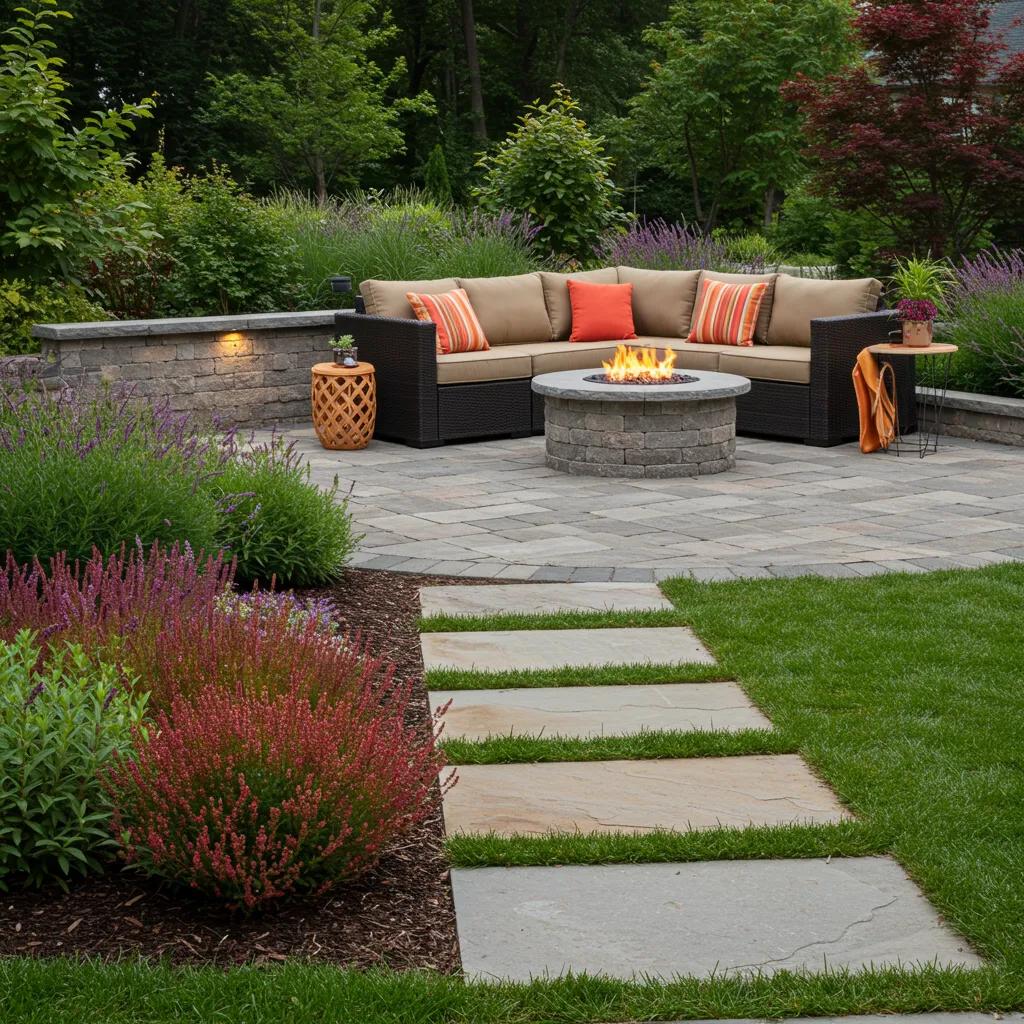
From Lawn to Lifestyle: How Huckleberry Transforms Outdoor Living with Custom Outdoor Living Space Design
Outdoor living means designing a purposeful, multi-use extension of your home that supports entertaining, relaxation, wellness, and everyday family life. This article explains how a thoughtful landscape design process turns a basic lawn into usable outdoor rooms with hardscaping, softscaping, lighting, water features, and efficient systems like smart irrigation. Readers will learn the step-by-step methodology, the specific services that make backyard transformation possible, and how design choices translate into lifestyle benefits and long-term value. Homeowners often struggle with disjointed yards, poor circulation, or high-maintenance plantings; this guide shows practical design and material solutions that reduce upkeep while enhancing usability. Below, we map the full process—from initial consultation and concept design through installation and maintenance—then detail concrete services, local expertise advantages, and how to begin a custom project with Huckleberry Enterprises. Throughout, target concepts like outdoor living space, backyard transformation, landscape design Marietta, and water-efficient landscaping are integrated to guide planning and choices for 2025 and beyond.
What Are the Key Elements of Custom Outdoor Living Space Design?
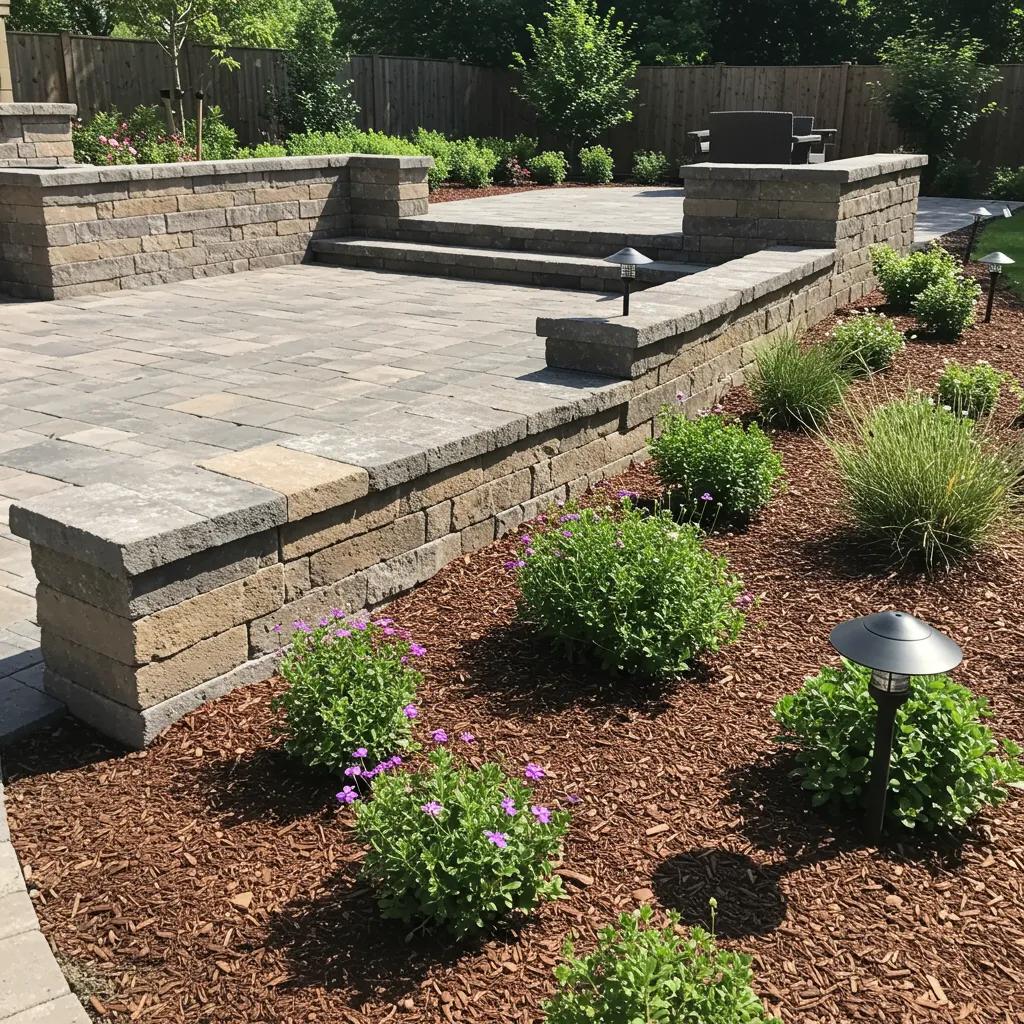
Custom outdoor living space design combines structural hardscape, layered planting, functional lighting, water features, and circulation planning to make yards usable and beautiful. Hardscaping, like patios and walkways, forms the durable backbone for seating and cooking areas, while planting beds soften edges, improve privacy, and support native biodiversity. Lighting and irrigation are functional systems that also shape mood and maintenance demands; smart irrigation reduces waste while layered lighting extends usability into the evening. Thoughtful furniture and amenity placement complete the space, so zones for dining, relaxation, and play connect seamlessly.
These elements are deployed with the homeowner’s lifestyle in mind, and the next subsection explains how those design choices specifically enhance daily living and seasonal use.
How Does Landscape Design Enhance Your Backyard Lifestyle?
Landscape design enhances backyard lifestyle by creating clear zones for specific activities and improving the indoor-outdoor connection with sightlines and circulation. Designers place dining, cooking, and lounging areas so that movement between the kitchen and patio is effortless, increasing the frequency of outdoor meals and gatherings. Multi-season features—covered seating, fire pits, and efficient lighting—extend use beyond summer and make the yard a true living space year-round. Native plantings and biophilic design also promote wellness by introducing natural textures, wildlife, and calming green views that reduce stress.
With these lifestyle improvements in mind, homeowners can prioritize features that provide the most utility for their routines and social habits.
How Do Hardscaping Features Like Patios and Fire Pits Transform Outdoor Spaces?
Hardscaping creates the physical stages where activities happen, and material choice influences durability, maintenance, and feel. Patios built with pavers or natural stone provide stable, permeable surfaces for dining and seating, while poured concrete or modular systems offer budget and timeline benefits. Fire pits and fireplaces create focal points that draw people together and extend seasonal use into cooler months, turning the backyard into a multi-season living area. Choosing materials that balance durability with texture and color supports both aesthetic goals and long-term upkeep.
Understanding these tradeoffs helps homeowners select hardscape options that align with their entertaining habits and maintenance tolerance, and the next subsection explains how outdoor kitchens amplify social value.
What Role Do Outdoor Kitchens and Entertainment Areas Play in Lifestyle Upgrades?
Outdoor kitchens and integrated entertainment zones convert passive yards into active social hubs by bringing core cooking functions outdoors and creating convenient service flows. Typical outdoor kitchen components include a built-in grill, prep surfaces, storage, and refrigeration, with adjacent seating and lighting to complete the experience. These installations raise usability—families dine al fresco more often—and frequently deliver strong perceived ROI through lifestyle enhancement. Thoughtful integration with patios and lighting ensures the kitchen feels like an outdoor room rather than an afterthought.
If you’re ready to explore a specific combination of these services, requesting a tailored quote helps align scope and budget with desired lifestyle outcomes.
Why Choose Huckleberry as Your Professional Landscaping Company?
Choosing a professional for a backyard transformation ensures coordinated design, quality materials, and reliable project delivery that preserves design intent through installation and beyond. Huckleberry Enterprises emphasizes a full-service approach—design through maintenance—with a local focus on Marietta and nearby communities, which helps with plant selection, permitting familiarity, and timely service. Their process centers on clear visualization and efficient project management to reduce surprises and keep installations on schedule. The following list highlights core differentiators homeowners should consider when evaluating providers.
- Full-service project delivery from concept to maintenance that preserves long-term value.
- Local expertise in Marietta-area climate, soils, and plant palettes for resilient designs.
- Emphasis on quality materials and smart systems to reduce upkeep and water use.
- Clear design visualization and project management to keep clients informed.
Frequently Asked Questions
What are the benefits of incorporating water features in outdoor living spaces?
Water features, such as ponds, fountains, or waterfalls, add aesthetic appeal and create a calming atmosphere in outdoor living spaces. They can serve as focal points that enhance the overall design while providing soothing sounds that promote relaxation. Additionally, water features can attract wildlife, such as birds and butterflies, contributing to biodiversity. Properly designed water features can also improve the microclimate of the area, making it more enjoyable for outdoor activities throughout the year.
How can I ensure my outdoor living space is environmentally friendly?
To create an environmentally friendly outdoor living space, consider using native and drought-tolerant plants that require less water and maintenance. Implementing smart irrigation systems can optimize water usage, reducing waste. Additionally, using smart materials for hardscaping, such as recycled pavers or permeable surfaces, can minimize environmental impact. Incorporating composting areas or rain gardens can further enhance efficiency by managing stormwater and promoting healthy soil.
What maintenance is required for outdoor living spaces?
Maintenance for outdoor living spaces varies based on design elements but generally includes regular tasks such as lawn care, pruning, and cleaning hardscape. Seasonal maintenance may involve checking irrigation systems, refreshing plantings, and ensuring outdoor lighting is functional. Establishing a maintenance plan with a professional service can help preserve the beauty and functionality of the space, ensuring that it remains an enjoyable area for years to come.
How can I maximize the usability of my outdoor space throughout the year?
To maximize usability throughout the year, consider incorporating multi-season features such as covered patios, outdoor heaters, and fire pits. These elements allow for comfortable use in various weather conditions. Additionally, integrating lighting solutions can extend the usability into the evening, creating a welcoming atmosphere for gatherings. Thoughtful placement of furniture and amenities can also enhance flow and accessibility, making the space more inviting for different activities.
What should I consider when choosing plants for my outdoor living space?
When selecting plants for your outdoor living space, consider factors such as climate, soil type, and sunlight exposure. Opt for native and drought-tolerant species that thrive in your local environment, as they require less maintenance and water. Additionally, think about the seasonal interest of plants, including flowering times and foliage color, to ensure a vibrant landscape year-round. Finally, consider the overall design aesthetic and how plants will complement hardscaping and other features.
How do I start planning my outdoor living space design?
Starting your outdoor living space design involves defining your goals and priorities. Begin by assessing how you want to use the space—whether for entertaining, relaxation, or gardening. Gather inspiration through photos and sketches, and consider any constraints such as budget or site conditions. Once you have a clear vision, consult with a professional designer who can help translate your ideas into a cohesive plan that aligns with your lifestyle and preferences.